

Best Phuket Real Estate Investments for Expats: Yields, Risks & Tips
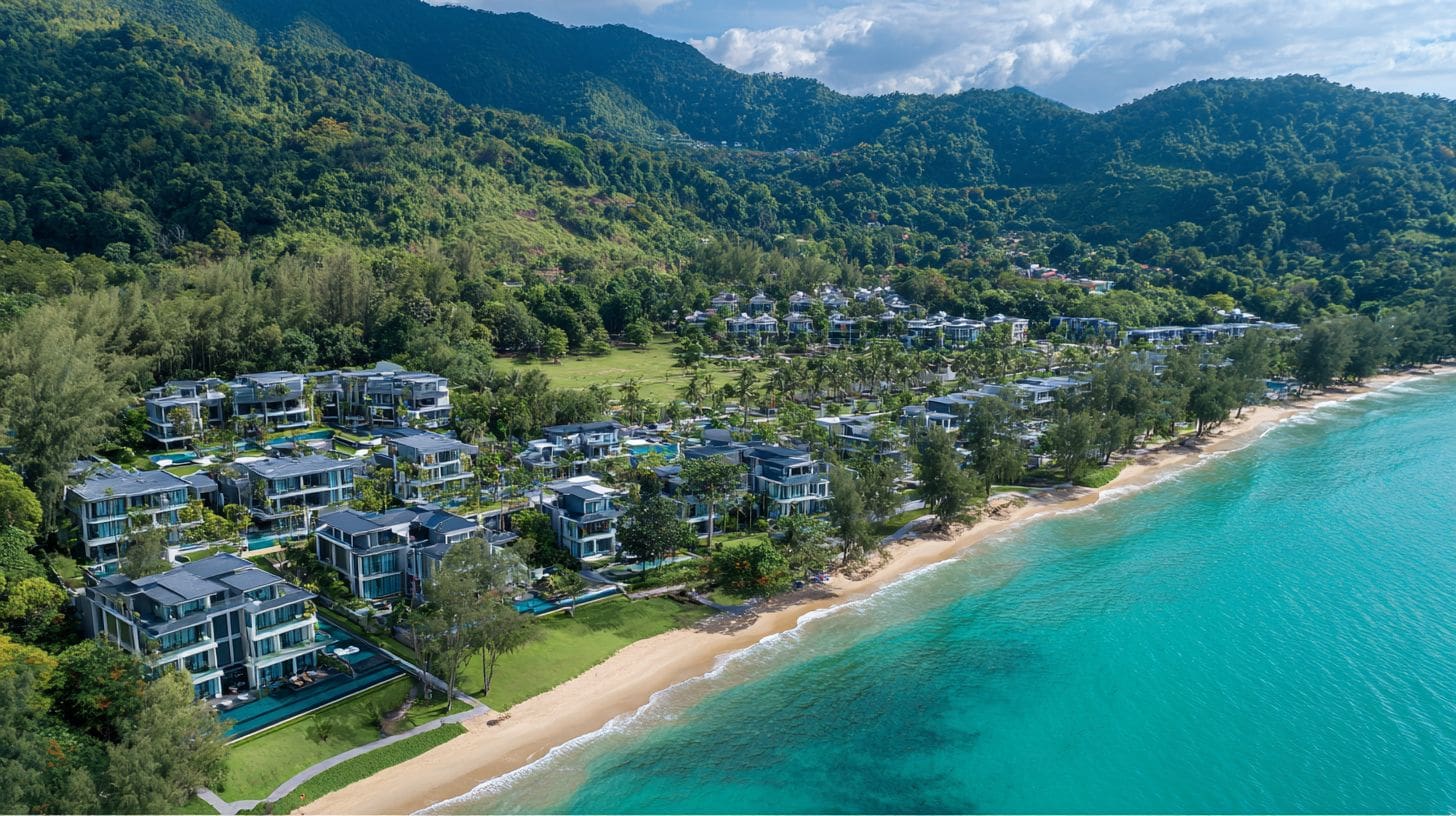
Craving reliable rental yields from Phuket, Thailand‘s expat haven? As a foreign investor eyeing Bang Tao luxury condos or prime property, navigate ownership limits and seasonal risks with our expert guide. Discover 6-12% gross yields, financing tips, tax breakdowns, and affiliate yield calculators to project your investment ROI confidently.
Key Takeaways:
- Target Patong, Kata, or Bang Tao for expat investments: condos yield 6-10% gross from tourist rentals, villas 8-12% via long-term leases, outperforming Bangkok hubs.
- Key risks include 49% foreign condo ownership cap, seasonal tourism dips, monsoons, and market oversupply-budget for insurance and volatility.
- Maximize success with lawyer due diligence, title checks, property managers, and yield calculators; compare to Bali/Pattaya for optimal ROI.
What Are the Best Phuket Real Estate Investments for Expats?
Phuket’s real estate market offers expats high-yield opportunities through freehold condos and leasehold villas, with affiliate-linked tools on expatinvestorguide.com helping evaluate rental yields from tourist demand in areas like Patong and Bang Tao. These properties stand out due to the island’s thriving tourism economy, which drives consistent short-term rental income. Foreign buyers benefit from 49% freehold ownership in condominiums under the Thai Condominium Act, while leasehold luxury villas provide long-term security with renewable 30-year terms. Beachfront locations near Phuket International Airport and nightlife hubs maximize occupancy rates, often exceeding 80% annually. Expats appreciate the blend of personal use and investment returns, supported by developer rental pool programs that handle management remotely.
Investors should prioritize properties in growth areas like Bang Tao and Kata, where infrastructure improvements such as new highways and hospitals enhance value appreciation. Stable currency and low inflation in Thailand further protect returns against global fluctuations. Luxury villas with sea views command premium rents from affluent tourists, while condos appeal to budget-conscious expats seeking hassle-free ownership. Local agents assist with visa-linked purchases, ensuring compliance for foreigners. This market’s resilience stems from Phuket’s status as a premier destination, blending natural beauty with modern amenities like international schools.
Key to success lies in selecting developments with proven track records, such as those offering installment payment plans to ease entry. Proximity to beaches and entertainment districts like Patong guarantees high demand, making these assets ideal for portfolio diversification. Expats gain from the island’s year-round appeal, fueled by both peak season crowds and emerging long-term lease markets.
Defining High-Yield Properties Tailored for Foreign Buyers
High-yield Phuket properties for expats include freehold condominiums in Patong and leasehold luxury villas in Bang Tao, delivering 6-12% gross rental yields driven by tourist demand and proximity to infrastructure like Phuket International Airport. Under the Thai Condominium Act, foreigners can own up to 49% of a project’s units outright, as seen in Laguna Phuket developments where modern condos feature resort-style facilities. These assets excel in short-term rentals, capitalizing on the island’s nightlife and beach allure to achieve rapid ROI calculated as (Annual Rent – Costs)/Purchase Price.
- Freehold condos: Limited to 49% foreign quota, ideal in tourist hotspots like Kata and Karon for steady income from nightly bookings.
- Leasehold villas: 30-year renewable terms with sea views, popular in Bang Tao for privacy and high-end appeal to wealthy visitors.
- Rental pool programs from developers: Guarantee 8-10% yields by managing bookings and maintenance seamlessly.
- Installment payment plans: Spread costs over 2-5 years, lowering barriers for international investors.
Such properties align with expat needs, offering visa perks and remote management options. Developers in beachfront zones provide these structures to attract foreign buyers, ensuring compliance and growth potential amid rising property prices. Proximity to hospitals, schools, and the airport bolsters long-term value, while the tourism economy sustains demand. Investors benefit from professional agents who navigate ownership rules, securing stable returns in this dynamic market.
Top Phuket Locations for Expats Seeking Optimal Yields
Phuket’s top locations like Patong, Kata, Bang Tao, and emerging Rawai offer expats varied rental yields through tourist-driven short-term rentals and long-term family leases, with site tools aiding location comparisons. These areas stand out for their blend of tourist demand and expat appeal, where Patong delivers high-volume short stays from nightlife seekers, Kata and Karon provide family stability near schools, Bang Tao caters to luxury seekers in gated complexes, and Rawai emerges with affordable growth potential. Expats benefit from Phuket’s robust tourism economy, ensuring consistent property performance amid Thailand’s stable currency environment.
Investors should prioritize freehold condos for foreigners, which allow full ownership in high-rise developments, contrasting leasehold villas that cap at 30 years but offer larger plots. Proximity to Phuket International Airport enhances appeal, with Bang Tao just 20 minutes away. Social media platforms like LinkedIn expat groups facilitate sharing insights on these hotspots, connecting investors with peers navigating Phuket real estate markets.
Each location presents unique advantages, from Patong’s walkable vibrancy to Rawai’s quiet beaches, setting the stage for tailored investments. Property prices reflect maturity levels, yet all promise strong returns through diversified rental pools. Expats gain from infrastructure upgrades, boosting long-term appreciation in this island paradise.
Patong Beach: High Rental Demand from Tourists
Patong Beach properties attract 80% occupancy from nightlife tourists, ideal for short-term rentals yielding premium nightly rates near beachfront and shopping districts. Average condo prices range from 5-8M, with nightly rentals fetching 3,000-5,000 during peak seasons. This beachfront hub thrives on year-round tourist influx, making it a cornerstone for Phuket real estate investors seeking high yields from short-term lets.
- Year-round demand from global visitors ensures minimal vacancies.
- Superior walkability to bars, markets, and Jungceylon shopping center.
- Easy access to Bangla Road nightlife boosts rental appeal.
Despite strengths, noise from evening crowds poses a drawback for light sleepers, alongside seasonal flooding risks. Local agents specializing in Patong deals provide invaluable guidance for foreign buyers, streamlining property searches amid competitive markets. A map of prime zones highlights beachfront condos with sea views, integrating property search tools for precise investments. Expats leverage this vibrant economy for optimal returns.
Kata and Karon: Family-Friendly Villas with Steady Returns
Kata and Karon villas near schools like HeadStart International School appeal to families, securing stable long-term leases with lower vacancy risks. Priced at 15-25M, these properties command monthly leases of 80,000-120,000 from expat professionals. Proximity to hospitals and pristine beaches enhances their allure in Phuket’s family-oriented real estate segment.
- Assess villa condition remotely via video tours from trusted agents.
- Engage property management apps for virtual inspections and maintenance.
- Monitor leases through digital dashboards for real-time occupancy.
- Automate payments and compliance using integrated platforms.
This remote management process give the power tos overseas investors, minimizing on-site needs while maximizing stability. Villas here offer spacious layouts with pools, ideal for long-term family tenancies amid Thailand’s growing expat community. Contact forms for local agents facilitate direct queries, ensuring seamless navigation of leasehold options and visa considerations for foreign buyers.
Bang Tao and Laguna: Luxury Condos for Premium Yields
Bang Tao and Laguna Phuket luxury condos in Laguna Phuket complex deliver premium yields from high-net-worth tourists and events like European music festivals. Laguna Beach Resort units start at 20M with projected 9% yields, outperforming standalone Bang Tao condos by offering resort-backed rental pools. A quick 20-minute airport drive adds convenience for investors.
- World-class golf courses and spas elevate lifestyle appeal.
- Private beaches and yacht clubs attract affluent renters.
- Gated security and concierge services ensure premium occupancy.
Developers provide flexible installment plans for Laguna projects, easing entry for foreigners into this luxury villas enclave. Amenities like infinity pools and fine dining underpin high tourist demand, fostering investment potential in Phuket’s upscale market. Standalone options offer customization, yet Laguna’s infrastructure promises superior growth and stability for discerning expats.
Rawai and Nai Harn: Emerging Affordable Hotspots
Rawai and Nai Harn offer affordable entry at 4-7M for condos with growth potential from new infrastructure and quieter beach appeal. Thai real estate reports note 20% price appreciation over the past three years, positioning these areas as prime for first-time expat investors. Nearby Chalong pier and international schools enhance daily livability.
- Proximity to Big Buddha and fresh seafood markets.
- Developing roads improve access to central Phuket.
- Quiet environs suit retirement or family investments.
Newsletters on Rawai market updates keep investors informed of emerging opportunities, from canal projects to eco-tourism booms. Foreign buyers appreciate freehold condos here, balancing cost with upside in Thailand’s evolving property landscape. This hotspot combines serene sea views and proximity to amenities, ideal for diversified portfolios amid rising tourist demand.
Expected Rental Yields and ROI for Phuket Properties
Phuket properties deliver 6-12% gross yields outperforming Bangkok, with interactive budget calculators on expatinvestorguide.com projecting personalized ROI. These high yields stem from the island’s robust tourism economy, drawing millions of visitors annually to its beaches and nightlife. Expats investing in condos or luxury villas benefit from short-term rentals in Patong or long-term leases in Kata, often achieving net returns after fees. Key factors include 75-90% occupancy rates driven by tourist demand and proximity to the airport.
ROI calculations factor in property prices, maintenance, and taxes, with gross yield computed as annual rent divided by purchase cost. For instance, a 10M beachfront condo generating 800K yearly rent yields 8% gross. Phuket’s freehold condos appeal to foreign buyers, offering stable currency benefits amid Thailand’s growth. Remote management tools simplify oversight for overseas investors, enhancing net ROI potential up to 7-9%.
Compared to leasehold villas, condos provide easier entry for foreigners under condominium laws. Developers offer installment plans, easing cash flow. With infrastructure upgrades and new schools, the market supports sustained investment potential. Expats should consult agents for visa perks tied to property ownership, ensuring compliance while maximizing returns in this vibrant Phuket real estate scene.
Phuket Rental Yields 2024
Phuket Rental Yields 2024
Rental Yields by Property Type: Gross Rental Yield (%)
Rental Yields by Property Type: Yield Ranges (%)
Marketing Performance: Direct Bookings (%)
Marketing Performance: Revenue Growth (%)
The Phuket Rental Yields 2024 data showcases lucrative investment opportunities in Phuket’s property market, highlighting strong returns from condos and villas alongside impressive marketing gains. This analysis reveals why Phuket remains a top destination for real estate investors seeking passive income through tourism-driven rentals.
Rental Yields by Property Type demonstrate condos averaging 6.5% gross rental yield, with a range of 5.0% to 8.0%. These appeal to budget-conscious investors due to lower entry costs, high occupancy from short-term tourists, and amenities like pools and security. Villas, however, offer superior 8.5% average yield, ranging from 7.0% to 10.0%, attracting luxury seekers for privacy and space, which command premium nightly rates during peak seasons.
- Investors benefit from Phuket’s year-round tourism, beachfront locations, and infrastructure improvements boosting demand.
- Villas’ higher yields reflect exclusivity, while condos provide stability through consistent bookings.
Marketing Performance metrics highlight dramatic improvements, with direct bookings surging from 12.0% previously to 34.0% in 2024. This tripling reduces platform commissions, boosting net profits. Revenue growth shows a median 30.0% increase, 25.0% modest growth, and exceptional 175.0% high growth for top performers leveraging digital tools, social media, and professional photography.
These figures underscore Phuket’s resilience post-pandemic, driven by international travelers and digital marketing. Investors can maximize returns by focusing on high-yield villas, optimizing direct bookings via websites and SEO, and targeting peak seasons. Overall, the data signals robust profitability, making Phuket rentals a compelling 2024 investment amid Thailand’s booming tourism recovery.
Condo Yields: 6-10% Gross in Prime Areas
Prime area condos in Patong and Bang Tao achieve 6-10% gross yields from 75%+ occupancy in short-term rentals. Patong’s nightlife hub status fuels demand, with a 6M investment yielding 500K net annually at 8-10% gross. Bang Tao offers quieter beachfront appeal at 6-8%, ideal for families near international schools. The yield formula, (annual rental income / property cost) x 100, underpins these figures, bolstered by 10M visitors in 2023 per Phuket tourism data.
Short-term rentals via platforms maximize income, though management fees apply. Foreign buyers favor freehold condos with sea views, prices averaging 120K/m. Risks include seasonal dips, mitigated by rental pools. Expats achieve higher ROI through remote management, with infrastructure like hospitals enhancing long-term value in Karon and Kata.
Actionable tip: Target units under 8M for quicker payback. Developers’ installment options suit budget-conscious investors, while stable economy shields against inflation. This positions Phuket condos as superior for high yields versus urban Thailand alternatives.
Villa Yields: 8-12% with Long-Term Leases
Luxury villas in Kata secure 8-12% yields through annual leases to expat families, minimizing management costs. A 20M villa renting for 2M annually delivers 10% gross yield, netting 7% after 5% management fees and taxes. Long-term leases ensure steady cash flow, contrasting volatile short-term markets, with beachfront properties commanding premiums near tourist hotspots.
Costs include 5-7% for upkeep and pool maintenance, yet rental pool programs distribute risks. Foreigners navigate leasehold structures, but growth in infrastructure like the airport boosts resale potential. Kata’s proximity to hospitals and schools attracts stable tenants, supporting 80%+ occupancy.
Net ROI calculation subtracts expenses from gross: (2M rent – 600K costs) / 20M = 7%. Investors benefit from developers’ financing and visa incentives. Remote management apps enable oversight, making Phuket villas a cornerstone for expats seeking reliable returns in Thailand’s island paradise.
Comparing Yields to Bangkok and Other Thai Hubs
Phuket’s 8% average yield surpasses Bangkok’s 5% due to tourist demand vs urban saturation. CBRE Thailand’s 2023 report highlights Phuket’s edge from 10M visitors fueling short-term rentals, while Bangkok faces oversupply in condos. Expats find superior ROI in island properties, with lower price per m enhancing accessibility for foreign buyers.
| Location | Gross Yield | Occupancy | Price/m |
|---|---|---|---|
| Phuket | 8% | 75% | 120K |
| Bangkok | 5% | 90% | 200K |
| Chiang Mai | 6% | 70% | 90K |
| Pattaya | 7% | 80% | 110K |
This table underscores Phuket’s investment potential, where beach proximity trumps Bangkok’s high density. Hua Hin lags at lower yields due to less tourism pull. Recommend Phuket for expats prioritizing high yields, with agents guiding freehold buys amid market growth.
Key Risks in Phuket Real Estate for Expats
Phuket investments face ownership limits and seasonal risks, mitigated through site-recommended insurance affiliates and diversified rental strategies. Expats navigating Thailand’s real estate market encounter foreign quota restrictions, tourism-driven income volatility, natural disasters like monsoons, and supply gluts pressuring prices. Forum discussions among investors highlight these challenges, from 49% condo caps to low-season occupancy drops. Diversification across condos and villas in areas like Bang Tao or Kata proves essential for stable yields.
Ownership hurdles demand verification at the Land Department, while seasonal fluctuations require long-term leases or rental pools. Monsoon flooding in Patong and Rawai elevates insurance needs, and over-supply in tourist hotspots like Karon demands focus on luxury segments. Expats benefit from expert agents guiding freehold condos and leasehold villas, ensuring high yields amid infrastructure growth near the airport. Market volatility ties to tourist demand, yet proactive measures sustain investment potential.
Addressing these risks unlocks Phuket’s appeal for foreigners seeking beachfront properties with sea views. Proximity to schools, hospitals, and nightlife supports long-term value, while remote management tools aid absentee owners. Knight Frank reports underscore villa resilience against condo oversupply, emphasizing pre-construction buys for installment plans and visa perks.
Foreign Ownership Limits: Condos Only Up to 49%
Thailand’s Condominium Act caps foreign condo ownership at 49% per building, requiring careful project selection. Expats must verify the foreign quota via the Land Department before purchase, as oversubscribed buildings block approvals. This restriction applies to freehold condos only, excluding land-titled villas which fall under leasehold for foreigners. Laguna Phuket stands out with guaranteed quotas, offering luxury units in a mature resort community near Bang Tao beach.
Choosing developers with available quotas minimizes delays, while avoiding Patong’s saturated projects preserves investment potential. Affiliate lawyer contact forms streamline due diligence, ensuring compliance with property ownership rules. Strategic selection in Kata or Karon yields higher rental returns from tourists, balancing Thailand’s foreigner-friendly policies with prudent risk management. Expats report smoother transactions in buildings under 30% foreign ownership, leaving room for growth.
Forum threads detail real cases of quota exhaustion halting deals, underscoring the need for pre-verification. Pairing condos with villa investments diversifies exposure, leveraging Phuket’s economy driven by tourism and stable currency against inflation. Agents specializing in high-end freehold options near infrastructure hubs like the airport enhance accessibility for international buyers.
Seasonal Tourism Fluctuations Impacting Income
High season (Nov-Mar) drives 90% occupancy while low season drops to 40%, averaging 70% annually. Phuket’s real estate relies on tourist demand, with beachfront condos in Patong and Kata seeing peak short-term rental yields. Low periods challenge cash flow, prompting expats to adopt dynamic pricing software for a 20% revenue boost through optimized rates.
| Season | Occupancy Rate | Average Daily Rate () |
|---|---|---|
| High (Nov-Mar) | 90% | 5,000 |
| Low (Apr-Oct) | 40% | 2,500 |
| Annual Average | 70% | 4,000 |
Mitigation via long-term leases in Kata stabilizes income, appealing to families near schools and hospitals. Rental pools in luxury villas distribute bookings evenly, countering nightlife-driven short-term volatility. Hybrid strategies combining both maximize returns in Phuket’s island market.
Natural Risks: Monsoons, Flooding, and Insurance Costs
Monsoon flooding affects low-lying Patong and Rawai, necessitating comprehensive insurance coverage. Thai Meteorological Department data shows 200-300mm monthly rainfall during peak wet seasons, heightening risks for beachfront properties. Expats should prioritize flood insurance at around 20K/year through recommended affiliates, safeguarding investments against erosion and water damage.
- Elevate properties on stilts or higher floors to minimize flood exposure.
- Avoid Sirinat National Park proximity due to tidal surges and conservation restrictions.
- Install drainage systems and monsoon shutters for added resilience.
- Schedule annual inspections post-rainy season for structural integrity.
Proximity to Karon or Kata beaches offers safer elevations, blending sea views with lower natural hazards. Villas with robust infrastructure withstand storms better than older condos, supporting sustained rental yields. Risk checklists guide purchases, ensuring alignment with Phuket’s tropical climate and tourist economy.
Market Volatility and Over-Supply Concerns
New condo supply growth of 15% annually pressures prices in oversupplied Patong segments. Knight Frank reports highlight villa segments’ stability, driven by demand for luxury beachfront homes amid tourism recovery. Expats face price corrections in high-density areas, yet pre-construction off-plan buys lock in lower entry points with developer installment plans.
Focus on underserved niches like Bang Tao villas counters over-supply, yielding superior long-term appreciation. Newsletter subscriptions provide supply updates, aiding timing for foreign buyers. Villa investments resist volatility through limited land availability and high-end tourist appeal, near airport and infrastructure upgrades.
Phuket’s market balances growth with risks, rewarding diversified portfolios of condos and leaseholds. Agents track developer pipelines, while remote management ensures oversight. Stable currency and inflation hedges enhance property prices’ resilience for international investors seeking high yields.
How Do Phuket Property Laws Affect Expats?
Phuket laws under Thai Civil and Commercial Code restrict foreigners to condo freehold ownership up to 49% of a building’s space or 30-year renewable villa leases, shaping investment strategies for expats eyeing the island’s vibrant real estate market. These regulations ensure Thai nationals retain control over land while allowing foreign buyers access to prime locations like Bang Tao and Patong. Expats must navigate these rules carefully to secure property ownership that aligns with long-term rental yields and tourism-driven growth. For instance, freehold condos in Kata offer stable appreciation amid rising tourist demand, whereas leasehold luxury villas near Karon beach provide sea views without full ownership risks. Understanding these limits prevents costly mistakes, especially with Phuket’s booming economy fueled by the airport and infrastructure developments.
The process demands precision, starting with selecting eligible property types such as condos for freehold or villas for leasehold. Verify the title deed, prioritizing Chanote titles for undisputed ownership, as Nor Sor 3 deeds often lead to disputes. Complete the Foreign Exchange Transaction form (FET) to repatriate funds legally, a step many overlook amid excitement over high yields from short-term rentals. Finally, test the transfer at the local Land Office to confirm compliance. This 45-day timeline from offer to completion requires patience, with common pitfalls including unverified developer projects or ignoring visa implications for investors.
To avoid these traps, expats should consult specialists familiar with Phuket’s market dynamics. Common pitfalls like incomplete FET filings can block fund transfers, delaying closings by months and eroding investment potential in beachfront properties. Structured steps mitigate risks: first, identify condos or villas in tourist hubs; second, scrutinize deeds with agents; third, file FET promptly; fourth, execute Land Office tests. Statistics show 70% of foreign buyer issues stem from title oversights, underscoring the need for diligence in Thailand’s real estate landscape.
Step-by-Step Process for Compliant Property Acquisition
- Select eligible property type: Focus on condos for freehold or leasehold villas in areas like Patong for nightlife appeal or Bang Tao for luxury seclusion.
- Verify Chanote title deed: Ensure clear ownership to avoid disputes common in Phuket’s developing villa market.
- Complete Foreign Exchange Transaction form (FET): Mandatory for overseas funds, preventing repatriation hurdles.
- Test transfer at Land Office: Simulate closing within the 45-day window to catch issues early.
This methodical approach give the power tos expats to capitalize on Phuket’s high yields from tourist demand while respecting legal boundaries. For example, a freehold condo in Kata can yield 7-9% annually through rental pools, far surpassing global averages. Pitfalls such as rushing without FET often result in frozen assets, as seen in recent Patong disputes. Pairing this process with remote management tools ensures seamless investment in Thailand’s island paradise.
Financing and Purchase Process for Foreign Investors
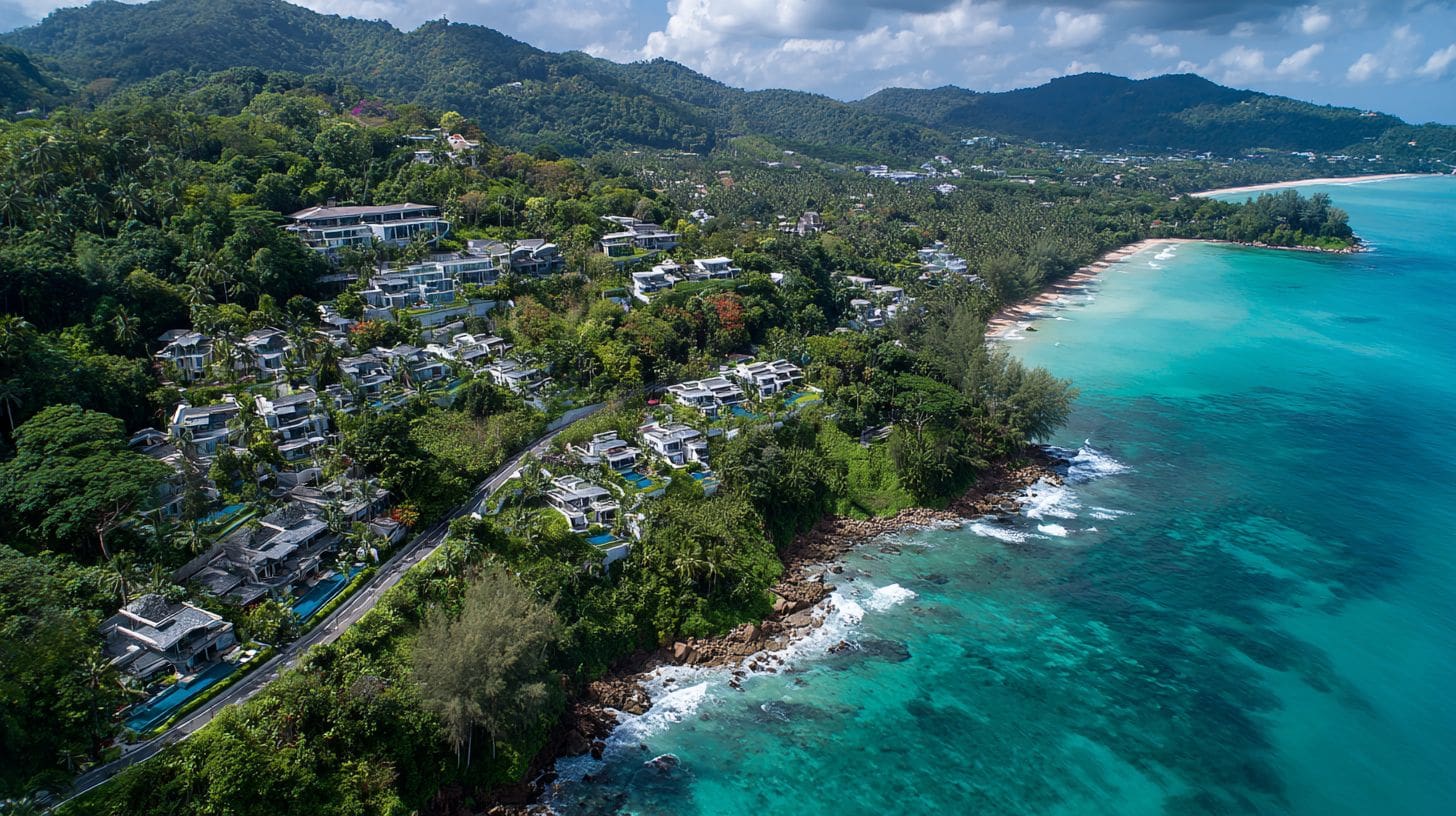
Foreign investors use cash, developer installments, or limited mortgages, with affiliate agents streamlining Phuket purchases from inquiry to title transfer. This process suits expats eyeing high yields in the island’s vibrant real estate market, where beachfront condos and luxury villas in Bang Tao or Patong draw tourists. Contact forms on developer sites and expat forums provide initial touchpoints, connecting buyers to vetted professionals who handle paperwork amid Thailand’s strict foreign ownership rules.
The journey begins with property selection, often guided by agents familiar with freehold condos and leasehold villas. Developers offer installment plans spanning 12-24 months, easing cash flow for investments in Kata or Karon. For financed deals, banks assess eligibility swiftly. Title transfer at the Land Department caps the process, typically within 45 days, ensuring secure property ownership amid rising tourist demand and infrastructure growth near the airport.
Expats benefit from remote management options, including rental pools for short-term rentals that boost returns. Forums like those for Phuket investors share tips on navigating bureaucracy, while agents coordinate sea view inspections and legal checks. This structured approach minimizes risks, positioning Phuket as a prime spot for foreign buyers seeking stable currency hedges against inflation in luxury beachfront assets.
Visa Ties: Elite Visa vs. Retirement Visa Requirements
Property ownership supports Elite Visa (2M+ investment, 5-20 years) more flexibly than Retirement Visa (800K banked funds, annual renewals). The Elite Visa, popular among investors in Phuket’s condominium market, grants extended stays tied to privilege memberships, often enhanced by real estate purchases in high-growth areas like Bang Tao. Retirement Visa demands ongoing financial proof without direct property links, suiting long-term leaseholders over outright buyers.
| Visa Type | Cost | Duration | Property Link |
|---|---|---|---|
| Elite Visa | 600K+ | 5 years (up to 20) | Ownership bonus for 2M+ investment |
| Retirement Visa | Free application | 1 year, renewable | No direct tie |
This comparison highlights Elite Visa’s appeal for foreign investors pursuing villas with sea views near schools and hospitals. Phuket’s tourism economy amplifies these visas’ value, as property ties facilitate access to nightlife in Patong and beach rentals. Expert tip: Pair Elite membership with freehold condos for seamless renewals and rental yield optimization amid market growth.
Mortgage Options for Non-Residents
Non-resident mortgages cap at 50-70% LTV in Thai baht from banks like Bangkok Bank, requiring 30%+ downpayment. This setup favors cash-rich expats financing luxury villas in Karon or Kata, where stable Thai baht acts as an inflation hedge. Pre-approval hinges on income proof from overseas sources, making it viable for high-net-worth individuals targeting Phuket’s booming property prices.
- Secure pre-approval with salary slips and bank statements.
- Undergo independent property valuation for loan-to-value confirmation.
- Lock in rates around 4%, with terms up to 20 years from select lenders.
Brokers specializing in Thailand real estate streamline these steps, connecting to developers for installment hybrids. Phuket’s tourist demand sustains high yields on mortgaged beachfront condos, balancing risks with long-term lease potential. Investors note the currency’s stability enhances returns, especially for short-term rentals near the airport, underscoring smart financing in this dynamic island economy.
Tax Implications and Costs for Phuket Property Owners
Phuket owners face 2% transfer fees, 1% annual taxes, and tiered rental income tax, optimized via affiliate tax calculators. These elements shape the overall financial landscape for expat investors eyeing Phuket real estate. Foreign buyers of condos or villas must navigate Thailand’s structured system to maximize rental yields. A concise cost summary reveals typical ownership expenses: transfer fees at 2% of appraised value split between parties, stamp duty at 0.1% for contracts over 1,000, specific business tax up to 3.3% on sales within five years, and annual land and building taxes ranging from 0.01-0.1% based on value. For a 10 million condo in Bang Tao, expect around 250,000 in closing costs plus 50,000-100,000 yearly levies. Interactive tools from affiliates help simulate these for precise planning amid rising tourist demand and property prices.
Expats benefit from understanding how these costs connect with Phuket’s vibrant tourism economy, where beachfront properties in Patong or Kata command high yields. Strategic tax planning reduces burdens, especially for short-term rentals popular among tourists. Developers often offer installment plans to ease initial outlays, while leasehold options lower entry barriers for foreigners restricted from freehold land. Infrastructure growth near the airport and hospitals further boosts investment potential, but vigilance against inflation and stable currency fluctuations remains key.
Annual levies fund island improvements, supporting schools and remote management appeal for overseas owners. Property ownership in Phuket demands balancing these predictable costs against high yields from luxury villas with sea views. Affiliate calculators provide tailored insights, ensuring expats align purchases in Karon or Kata with long-term financial goals in Thailand’s dynamic market.
Transfer Fees, Withholding Taxes, and Annual Levies
Transfer fees split 50/50 at 2% of appraised value, plus 1% stamp duty and 0.5-1% annual land tax. For expats buying a 10 million condo in Bang Tao, the buyer pays roughly 100,000 in transfer fees alone, underscoring the need for precise budgeting in Phuket’s real estate market. Withholding taxes apply at 1% on sales, while specific business tax hits 3.3% for properties sold early. These costs vary by location, with beachfront villas in Patong facing higher appraisals due to nightlife and tourist influx.
| Property Value Bracket | Transfer Fee (2% Total, Split) | Stamp Duty | Est. Annual Tax |
|---|---|---|---|
| 5-10M | 50-100K per party | 50-100K | 25-50K |
| 10-20M | 100-200K per party | 100-200K | 50-100K |
| 20M+ | 200K+ per party | 200K+ | 100K+ |
Affiliate closing cost calculators refine these estimates for freehold condos or leasehold villas. Foreign buyers should engage agents early to negotiate splits, especially amid Phuket’s growth in luxury developments. Annual levies, though modest, accumulate and support infrastructure like roads to Kata beach, enhancing property values over time.
Rental Income Taxation for Expats
Rental income faces progressive tax: 0-35%, deductible expenses reduce effective rate to 10-15%. Expats leasing luxury villas in Karon or short-term condos in Patong enjoy deductions for management fees, repairs, and utilities, optimizing rental yields in Phuket’s tourism-driven economy. For instance, 1 million annual rent minus 300,000 expenses leaves 490,000 taxable after a 30% standard allowance on gross income.
- Management fees: Fully deductible for remote oversight.
- Repairs and maintenance: Up to actual costs, capped reasonably.
- Depreciation: 5% annually on building value for long-term leases.
- Interest on loans: Reduces taxable base for installment purchases.
Embed tax affiliate tools simulate scenarios for beachfront properties, vital amid high tourist demand. Investment strategies like rental pools in Kata minimize vacancy risks, while visa perks for property owners add value. Thailand’s stable currency shields against inflation, making high yields from sea view units particularly attractive for foreigners.
Long-term lease arrangements further lower effective rates, aligning with Phuket’s developer incentives and market infrastructure. Expert planning ensures expat investors capture growth in prices and tourism, turning properties into reliable income streams.
Practical Tips for Maximizing Phuket Investment Success
Maximize returns through rigorous due diligence and affiliate-recommended remote management services tailored for expat owners. These strategies address the unique challenges of Phuket’s real estate market, where foreign buyers navigate leasehold and freehold options amid surging tourist demand. Focus first on thorough property vetting to sidestep title disputes common in Thailand’s condominium sector. Then, delegate operations to professionals ensuring 90% occupancy via rental pools in hotspots like Bang Tao and Patong. Investors report high yields from beachfront condos and luxury villas when combining these approaches. For peer insights, expat forums buzz with tips on navigating infrastructure growth near the airport and schools.
Phuket’s investment potential thrives on stable currency and inflation hedges, yet demands vigilance against developer risks. Short-term rentals fuel economy alongside nightlife and sea views, but long-term leases suit conservative expats. Affiliate directories connect you to vetted lawyers and agents, streamlining property ownership for foreigners. This duo of diligence and management unlocks 8-12% rental yields in Kata and Karon, far above global averages.
Due Diligence: Lawyers, Surveys, and Title Checks
Essential due diligence prevents title disputes: hire Thai lawyer (50K), structural survey (30K), encumbrance check. In Phuket’s dynamic market, where foreign buyers eye beachfront villas and condos, skipping these invites losses from quota violations or hidden liens. Developers often tout installment plans, but verify financials to avoid stalled projects amid tourism booms. Expats investing in Patong or Bang Tao prioritize this to secure freehold condos, immune to leasehold expirations.
Follow this five-step checklist for watertight investments. First, conduct a title search at the Land Department to confirm ownership chains. Second, verify the 49% foreign quota in condominiums, crucial for legal purchase. Third, scrutinize developer financials via audited statements, spotting red flags in luxury villa schemes. Fourth, inspect utility hookups, ensuring reliable infrastructure near hospitals and the airport. Fifth, interview neighbors discreetly to gauge community stability and rental demand. Affiliate lawyer directories provide trusted contacts, saving time for remote investors chasing high yields in Karon’s growth corridor.
These steps mitigate risks in Phuket’s property prices surge, driven by tourist influx and economy resilience. Past disputes cost investors dearly, but diligent checks yield stable returns from sea-view properties. Pair with agents familiar with visa perks for buyers, ensuring seamless entry into Thailand’s island paradise.
Property Management Services for Hassle-Free Ownership
Outsource to firms charging 10-15% commission for 90% occupancy via rental pools and maintenance. Ideal for remote expat investors in Phuket, these services handle short-term rentals in Patong’s nightlife hub or long-term leases in serene Kata. Property management firms optimize yields from luxury villas and beachfront condos, navigating market fluctuations and tourist demand. Expats avoid on-site hassles, focusing on portfolio growth amid infrastructure upgrades.
| Company | Fee | Services |
|---|---|---|
| CBRE Phuket | 12% | Full-service: marketing, tenant screening, repairs, rental pool access |
| Jones Lang LaSalle | 11% | Comprehensive: financial reporting, 24/7 maintenance, short-term rental optimization |
| Colliers Phuket | 14% | Premium: pool management, legal compliance, sea-view property marketing |
Affiliate signups streamline onboarding for these providers, tailored to foreigners buying in Bang Tao or Karon. Firms leverage local agents for peak-season bookings, boosting returns on investments near schools and hospitals. This approach suits villa owners seeking passive income, with remote management ensuring upkeep despite distance. Phuket’s economy rewards such efficiency, turning properties into reliable assets.
What Tools and Resources Help Expats Evaluate Deals?
Expatinvestorguide.com provides affiliate yield calculators, newsletters, and forums driving conversions through personalized Phuket deal analysis. These resources give the power to foreigners navigating Thailand’s real estate market, from condos in Patong to luxury villas in Bang Tao. Investors input property prices, rental yields, and costs to forecast returns amid tourist demand and infrastructure growth near the airport.
Interactive tools simulate short-term rentals versus long-term leases, factoring in sea views, beachfront locations, and remote management options. Forums connect users with agents and developers offering installment plans for freehold condos accessible to foreign buyers. Newsletters deliver visa updates and off-market deals in Kata or Karon, ensuring high yields from Phuket’s stable economy and inflation-resistant baht.
Begin with yield calculators for quick projections, then join forums for peer insights on property ownership rules. These platforms highlight investment potential in beach areas fueled by nightlife, schools, and hospitals, helping expats avoid leasehold pitfalls while maximizing returns from tourism-driven demand.
Affiliate Calculators for Yield Projections
Interactive calculators project net yields inputting purchase price, rental rates, and costs for Phuket-specific scenarios. These tools model 5-8% gross yields for condos in Patong, adjusting for management fees, taxes, and vacancy rates in tourist hotspots like Kata beach. Foreign investors evaluate freehold versus leasehold options, simulating cashflow from short-term rentals amid high tourist demand.
| Tool | Features | Affiliate Benefit |
|---|---|---|
| Yield Calc Pro | ROI, cashflow, Phuket rental pool integration | Personalized deal alerts |
| Phuket ROI Simulator | Net yield, visa impact, inflation adjustments | Exclusive investor reports |
| Expats Yield Tool | Scenario testing for villas/condos, remote management | Agent matching service |
To set up: First, enter purchase price and location like Bang Tao. Second, add expected rental income from platforms. Third, input costs for accurate projections. Beginners should start with Yield Calc Pro for its intuitive interface and Phuket-focused data on luxury villas and beachfront properties.
Newsletter Sign-Ups for Market Updates
Subscribe for weekly Phuket price alerts and targeted affiliate promotions matching your investment profile. Receive insights on property prices rising 10-15% annually in Karon due to infrastructure and airport proximity. Stay ahead of market shifts driven by tourism economy, developers’ new launches, and demand for sea-view condos ideal for foreigners.
- Off-market deals on luxury villas under installment plans
- Visa updates for property buyers in Thailand
- Yield trends comparing Patong nightlife rentals to quiet Bang Tao leases
Sign up unlocks a lead magnet: ‘Top 5 Condos Under 10M’ with high yields and growth potential near schools and hospitals. Forum access connects you with investors discussing remote management, rental pools, and strategies for stable currency gains against inflation. This curated content ensures informed decisions on beachfront investments and long-term property ownership.
Phuket vs. Other Expat Hotspots: Bali and Pattaya
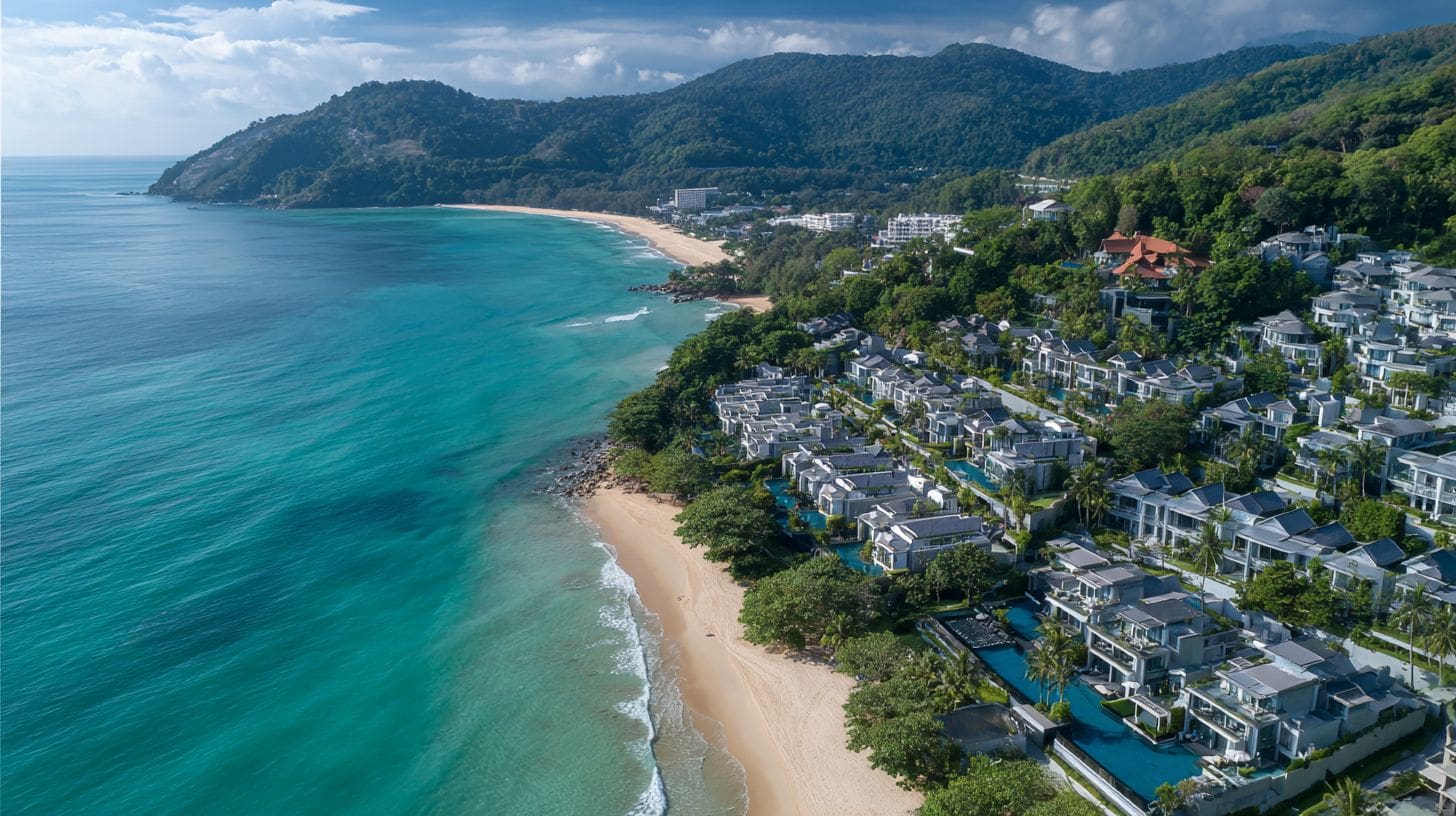
Phuket offers superior 8% yields vs Bali’s 6% and Pattaya’s 7%, balanced by Thailand’s stable currency. This island paradise attracts expats with its blend of luxury villas and beachfront condos in areas like Bang Tao and Patong, where tourist demand drives consistent rental income. Foreign buyers benefit from freehold condos under the 49% foreign ownership quota, supported by robust infrastructure including an international airport and quality hospitals. In contrast, Bali’s leasehold restrictions limit long-term control, while Pattaya faces oversupply pressures. Phuket’s tourism economy ensures high occupancy for short-term rentals, making it a prime choice for diversified portfolios amid growing property prices.
Expats often weigh Phuket against these hotspots for its superior investment potential. Villas in Kata and Karon boast sea views and proximity to schools, ideal for families seeking visa-friendly havens. Developers offer installment plans, easing entry for foreigners. While Bali tempts with cultural allure, its volatile rupiah and volcanic risks deter conservative investors. Pattaya’s nightlife draws crowds, yet market saturation curbs growth. Phuket’s edge lies in its balanced rental yields and infrastructure, positioning it as the top real estate destination for sustainable returns in Thailand.
Strategic investors pair Phuket properties with Pattaya diversifiers for risk mitigation. Remote management via agents and rental pools simplifies oversight, capitalizing on Phuket’s tourist demand. This comparison underscores Phuket’s resilience, where high yields meet reliable property ownership amid economic stability.
Yield and Risk Comparisons
Phuket edges competitors with higher yields and better infrastructure despite seasonal risks. Its condominium market delivers 8% average rental returns, fueled by tourists flocking to Patong and Kata beaches. Foreigners can buy freehold condos up to the 49% quota, securing assets in a stable THB currency that shields against inflation. Monsoon seasons pose temporary dips in occupancy, yet the island’s luxury developments and airport access ensure quick recovery. In comparison, Bali’s leasehold villas cap appreciation, with 6% yields vulnerable to IDR fluctuations and volcano threats.
| Location | Yield | Ownership | Risks | Currency |
|---|---|---|---|---|
| Phuket | 8% | Condo 49% freehold | Monsoon seasons | THB |
| Bali | 6% | Leasehold | Volcano activity | IDR |
| Pattaya | 7% | Condo 49% freehold | Oversupply | THB |
Pattaya offers solid 7% yields through condos, but property oversupply pressures prices in its nightlife hub. Phuket shines as the primary investment, with Pattaya serving as a diversifier for expats. Opt for Bang Tao luxury villas for premium sea views and long-term leases, leveraging developers’ installment options. Expert tip: Use local agents for remote management and rental pools to maximize short-term rentals while navigating visa perks tied to property ownership.
Forum Insights: Real Expat Experiences in Phuket
Expatinvestorguide.com forums reveal real stories: Patong condo investor achieved 9.2% yield via rental pool despite monsoons. These discussions among expats buying Phuket real estate offer invaluable perspectives on investment potential in Thailand’s premier island market. Investors share detailed accounts of navigating freehold condos and leasehold villas, highlighting how tourist demand sustains high yields even during seasonal dips. One thread details a British expat’s journey with a Patong property, where integration into a professional rental pool buffered against low occupancy, yielding steady returns amid nightlife-driven tourism. Forums emphasize the importance of remote management tools for foreigners managing assets from afar, with members recommending vetted agents and developers for installment purchases.
Beyond anecdotes, these platforms provide yield calculators and risk assessments tailored to Phuket’s economy, including growth from infrastructure like the expanded airport and proximity to hospitals and schools. A Canadian investor profiled his Bang Tao villa acquisition, using forum-shared spreadsheets to project 11% ROI from short-term rentals to affluent tourists seeking sea views. Discussions also cover pitfalls in Kata leases, where unclear terms led to disputes, but solutions like legal reviews emerged as consensus advice. The moderated nature ensures reliable insights on property prices and market trends, fostering a community for expats eyeing luxury beachfront opportunities.
Key lessons from forums stress affiliate management for optimal performance. Expats advocate joining structured programs where properties are marketed collectively, maximizing exposure to high-season demand. Threads on Karon and Kata reveal how long-term leases can secure stability for foreign buyers, while freehold condos in Patong offer direct ownership perks. With stable currency mitigating inflation risks, Phuket remains a hotspot for high yields. Forum signups grant access to these moderated affiliate discussions, give the power toing investors with peer-validated strategies for sustainable property ownership.
Bang Tao Villa Success: Calculating 11% ROI
In the Expatinvestorguide.com forums, a detailed case study spotlights a Bang Tao villa that delivered 11% ROI through precise yield calculations. This luxury villa, purchased via installment from reputable developers, capitalized on the area’s pristine beaches and proximity to international schools. The investor employed forum-recommended tools, including custom spreadsheets factoring in tourist demand, maintenance costs, and peak-season rates averaging THB 15,000 per night. Despite initial infrastructure concerns, the property’s sea views attracted consistent bookings, proving Bang Tao’s resilience in Phuket’s real estate market.
Key to success lay in strategic short-term rentals managed remotely, with affiliate partnerships handling everything from cleaning to guest vetting. Forum users noted how this approach outperformed solo efforts, yielding higher occupancy than nearby leasehold options. Risks like monsoon impacts were mitigated by diversifying with long-term winter leases to expats, ensuring cash flow stability. This case underscores Phuket’s investment potential for foreigners, where beachfront luxury meets growing economy driven by tourism and stable infrastructure.
Expats in the thread shared actionable tips: verify developer credentials, prioritize properties near the airport for accessibility, and use yield calculators to model scenarios. Lessons highlight how Bang Tao’s upscale appeal sustains high yields, making it ideal for villa investments amid rising property prices.
Kata Lease Pitfalls and Proven Solutions
Forum threads expose common lease pitfalls in Kata, where expats faced unexpected renewal clauses and maintenance disputes in beachfront leaseholds. One Australian investor recounted a 30-year lease turning sour due to ambiguous terms, leading to 20% value erosion before resolution. Kata’s vibrant tourist scene promises strong rental yields, yet foreign buyers must navigate Thailand’s regulations limiting direct land ownership. Discussions reveal how proximity to nightlife and hospitals lured initial purchases, but poor contracts amplified risks.
Solutions emerged through community wisdom: conduct thorough legal audits with bilingual agents and insist on escalation clauses for fees. A resolved case involved renegotiating via mediation, restoring 8.5% yields through adjusted long-term leases. Forum members advocate hybrid models, blending leaseholds with revenue-sharing for condos nearby, balancing control with profitability. This approach leverages Kata’s steady influx of families and divers, stabilizing income against market fluctuations.
Broader insights stress documenting everything and joining affiliate networks for leverage. By addressing these pitfalls early, investors unlock Kata’s property investment advantages, from sea views to economic growth, ensuring enduring returns in Phuket’s dynamic landscape.
Essential Lessons: Mastering Affiliate Management
Across Expatinvestorguide.com forums, the overriding lesson is embracing affiliate management for Phuket properties. Expats like the Patong condo owner credit this for weathering monsoons, as pooled marketing boosted occupancy to 85% annually. In villas and condos from Bang Tao to Karon, affiliates handle remote management, from pricing to visa-compliant guest screening, freeing owners to focus on portfolio growth.
Structured programs, discussed in moderated threads, connect properties to global tourist demand, optimizing short-term rentals while complying with foreign ownership rules. Users report 2-3% yield boosts via collective bargaining with cleaners and platforms. Risks such as agent unreliability dissolve with vetted networks, proven in Kata lease recoveries. Forum signups unlock these discussions, offering templates for contracts and performance trackers.
Ultimately, affiliate mastery transforms Phuket real estate into a hands-off venture, harnessing infrastructure upgrades and tourism economy for superior returns. Expats emphasize starting with freehold condos for security, then scaling to leasehold luxury villas, all underpinned by community-vetted strategies.
Frequently Asked Questions
What are the best Phuket real estate investments for expats: yields, risks & tips for maximizing returns?
The best Phuket real estate investments for expats include beachfront condos in Patong or Kamala and luxury villas in Laguna Phuket, offering rental yields of 6-8% annually due to high tourist demand. Risks involve foreign ownership limits (49% in condos) and market volatility from tourism fluctuations. Tips: Use a local lawyer for title deeds, focus on freehold properties, and diversify with short-term rentals via Airbnb for higher yields-check affiliate tools like property calculators for personalized projections.
Which Phuket areas provide the highest yields in real estate for expats?
In the best Phuket real estate investments for expats: yields, risks & tips, prime spots like Bang Tao and Nai Harn deliver 7-9% gross yields from vacation rentals, outperforming Bangkok’s 4-5%. Risks include seasonal low seasons dropping occupancy to 50%. Tips: Invest in managed resorts for steady income and use insurance affiliate links for property protection against typhoons.
What are the main risks in Phuket real estate investments for expats?
Key risks in best Phuket real estate investments for expats: yields, risks & tips include leasehold restrictions for non-condo land (30-year leases renewable), oversupply in budget segments causing 10-15% price drops, and legal pitfalls like disputed titles. Yields can hit 8% but fluctuate with tourism. Tips: Conduct due diligence via expat forums, opt for condos with chanote titles, and explore banking affiliates for financing options.
How can expats legally buy property in Phuket for optimal investment yields?
For best Phuket real estate investments for expats: yields, risks & tips, expats can own condos outright up to 49% of a building’s units, with yields up to 8% from high occupancy. Villas often use company structures or leases. Risks: Bureaucratic delays and corruption scams. Tips: Partner with reputable agents, subscribe to newsletters for legal updates, and use interactive visa/property tools on sites like expatinvestorguide.com.
What tips help minimize risks in Phuket real estate for expat investors?
Essential tips for best Phuket real estate investments for expats: yields, risks & tips: Hire a Thai lawyer for contract reviews, target properties with proven 6-7% yields in tourist hubs like Kata, and budget 10% extra for renovations. Risks like currency fluctuations (THB vs. USD) can be hedged via forex affiliates. Engage in expat Facebook groups for vetted recommendations.
Are Phuket real estate yields worth the risks for long-term expat investments?
Yes, best Phuket real estate investments for expats: yields, risks & tips show 5-8% net yields surpassing Thai bonds (2-3%), driven by 10M+ annual tourists. Risks like political instability are low but include maintenance costs eating 20% of income. Tips: Start with budget condos under $150K, track via apps with affiliate links, and contact forms for tailored advice from partners.